Balochistan Cabinet Targets 1.6 Million Out-of-School Children, Mandates E-Bidding for Public Tenders
Chief Minister Sarfraz Bugti's cabinet approved a package on October 9 pairing a Non-Formal Education Act aimed at 1.6 million out-of-school children aged 10 to 16 with a procurement overhaul making electronic bidding mandatory above Rs500,000.
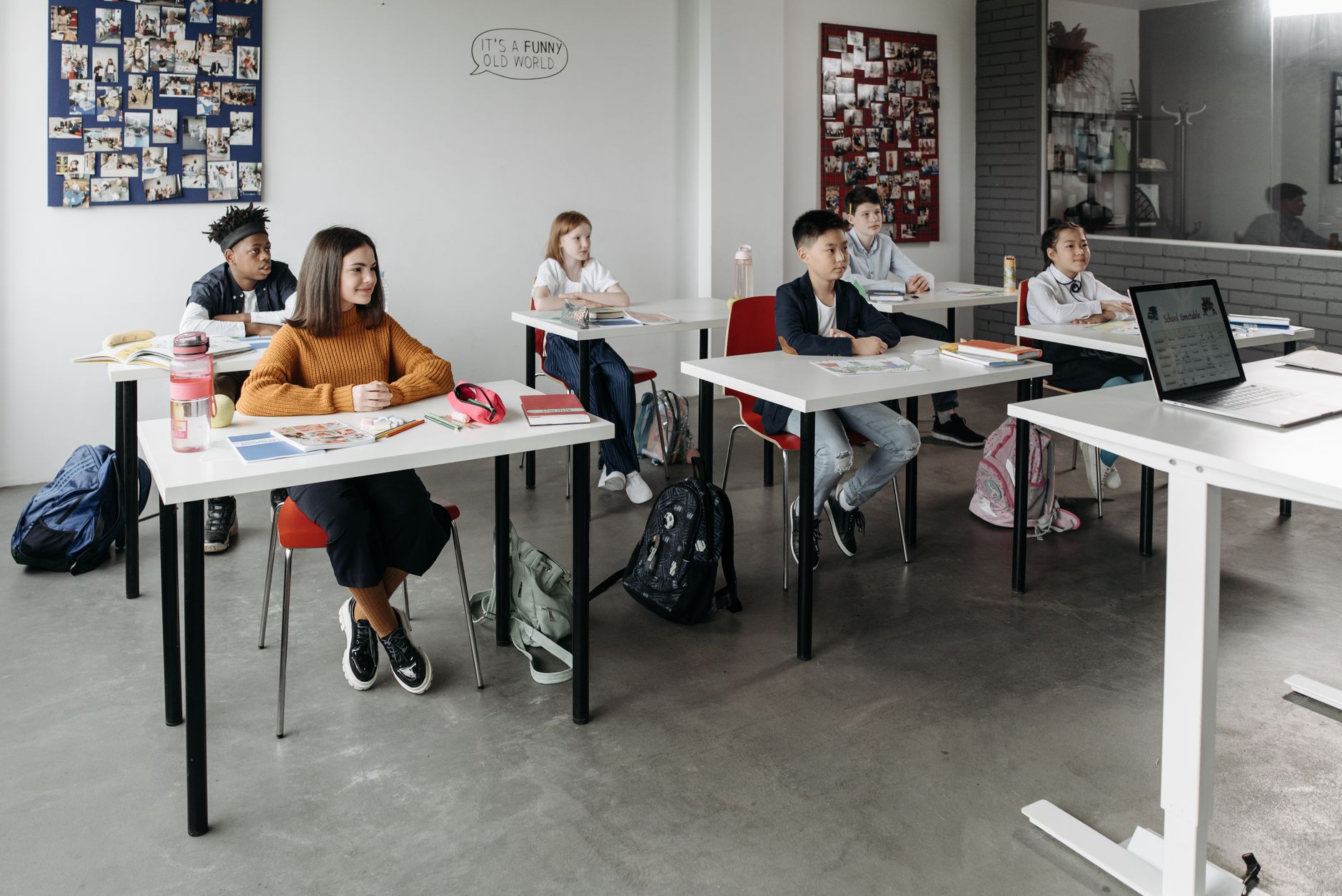
Photo by Pavel Danilyuk / Pexels
Balochistan's provincial cabinet, chaired by Chief Minister Sarfraz Bugti, approved a package of reforms on October 9, 2026, that pairs an education push aimed at the province's out-of-school children with a procurement overhaul meant to tighten how public money gets spent on contracts.
The education piece: 1.6 million children, double shifts
The centrepiece is the Balochistan Non-Formal Education Act 2025, targeting roughly 1.6 million out-of-school children aged 10 to 16 — a scale that reflects how severe the province's enrollment gap has become relative to its population. Alongside the Act, the cabinet approved introducing double-shift schooling, which runs a second cohort of students through existing school buildings in the afternoon rather than requiring new construction. That's a deliberate choice to use infrastructure the province already has rather than wait years for new schools to get built and staffed, and it mirrors the broader out-of-school-children challenge Pakistan faces nationally, which we've covered in detail separately.
The procurement piece: mandatory e-bidding above Rs500,000
The cabinet's second major move targets how the province awards contracts. Electronic bidding is now mandatory for tenders exceeding Rs500,000 across relevant procurement categories, a threshold low enough to pull a large share of routine provincial contracting — not just major infrastructure projects — onto a digital, auditable bidding process. The changes also revise financial limits for petty purchases and quotations, streamline bid validity periods, and abolish bid document fees outright, removing a recurring cost that smaller bidders previously had to absorb just to compete.
Why procurement reform and education policy landed together
The pairing is not coincidental. A Mineral Development Fund Policy approved in the same cabinet meeting is designed to direct revenue from Balochistan's natural resources — the province that hosts the long-delayed Reko Diq copper and gold project, which we've reported on separately — toward provincial development rather than letting it disperse into general revenue with limited public accountability. Tightening procurement rules is the administrative mechanism that has to exist alongside any resource-revenue policy if that revenue is actually going to reach services like the non-formal education push, rather than leaking out through the kind of untracked contracting that transparency advocates have long flagged in provincial spending.
Other approvals in the same package
The cabinet also approved incentives for reopening closed industrial units, a policy for appointing project directors on revised pay scales to attract qualified professionals for large and complex projects, and amendments to the Service Tribunal Act 1974 covering how provincial service disputes are adjudicated. None of these carry the same immediate public visibility as the education and procurement measures, but together they point toward a cabinet trying to modernise provincial administration on several fronts at once rather than treating education access as an isolated problem.
What happens next
The real test for the Non-Formal Education Act is implementation capacity — Balochistan has approved ambitious enrollment targets before, and the gap between cabinet approval and children actually sitting in double-shift classrooms will depend on how quickly the provincial education department can staff and fund the rollout. The procurement rules face a narrower but more immediate test: whether the Rs500,000 e-bidding threshold actually gets enforced at the district level, where much of Balochistan's routine contracting happens away from Quetta's direct oversight.
Build Better Pakistan's Education Desk tracks provincial reforms aimed at Pakistan's out-of-school children crisis as they move from cabinet approval to classroom implementation.
This article is part of our Education coverage — Access, quality and the out-of-school children crisis.
Frequently Asked Questions
- What does Balochistan's new Non-Formal Education Act target?
- The Balochistan Non-Formal Education Act 2025, approved by the provincial cabinet on October 9, 2026, targets enrolling roughly 1.6 million out-of-school children aged 10 to 16. It pairs with a move to introduce double-shift schooling, letting existing school buildings run two cohorts of students a day instead of one.
- What changed in Balochistan's public procurement rules?
- The cabinet made electronic bidding mandatory for tenders exceeding Rs500,000 across relevant procurement categories, revised financial limits for petty purchases and quotations, abolished bid document fees, and streamlined bid validity periods — changes aimed at improving transparency and competition in provincial contracting.
Related Reading
26 Million Out of School, 46 in 100 Finishing Grade 10: Planning Minister Calls It a National Emergency
Chairing the first meeting of URAAN Pakistan's new Human Capital and Skills Mission on October 7, Ahsan Iqbal put fresh numbers on a decade-old crisis and called for a ten-year, devolved push on education, health, nutrition and population.
BBP Education Desk · October 8, 2026 · 3 min

Punjab Launches Plan to Train 160,000 Teachers in AI, Days After Trimming Textbooks
A launch ceremony in Lahore brought together Punjab's School Education Department, PECTAA, PMIU-PESRP and UNICEF to kick off the AI Curriculum and Training Initiative, which aims to train 160,000 government school teachers through a four-tier cascade model and introduce AI as a subject from Class 1 to Class 12.
BBP Education Desk · October 1, 2026 · 4 min

HEC Warns Students: Unapproved Foreign Degree Partnerships Won't Be Recognised
The Higher Education Commission issued a public alert on September 27 telling students to verify that any foreign degree offered through a local Pakistani institution appears on HEC's approved Transnational Education partner list before enrolling or paying fees.
BBP Education Desk · September 27, 2026 · 4 min