Direct Karachi-Europe Shipping Service Returns After Red Sea Detours Pushed Up Exporters' Costs
Maritime Affairs Minister Junaid Anwar Chaudhry announced on October 8 that MSC has restored a weekly direct container service from Karachi to seven European ports, cutting the longer, costlier Cape of Good Hope detour that Red Sea disruptions had forced on exporters.
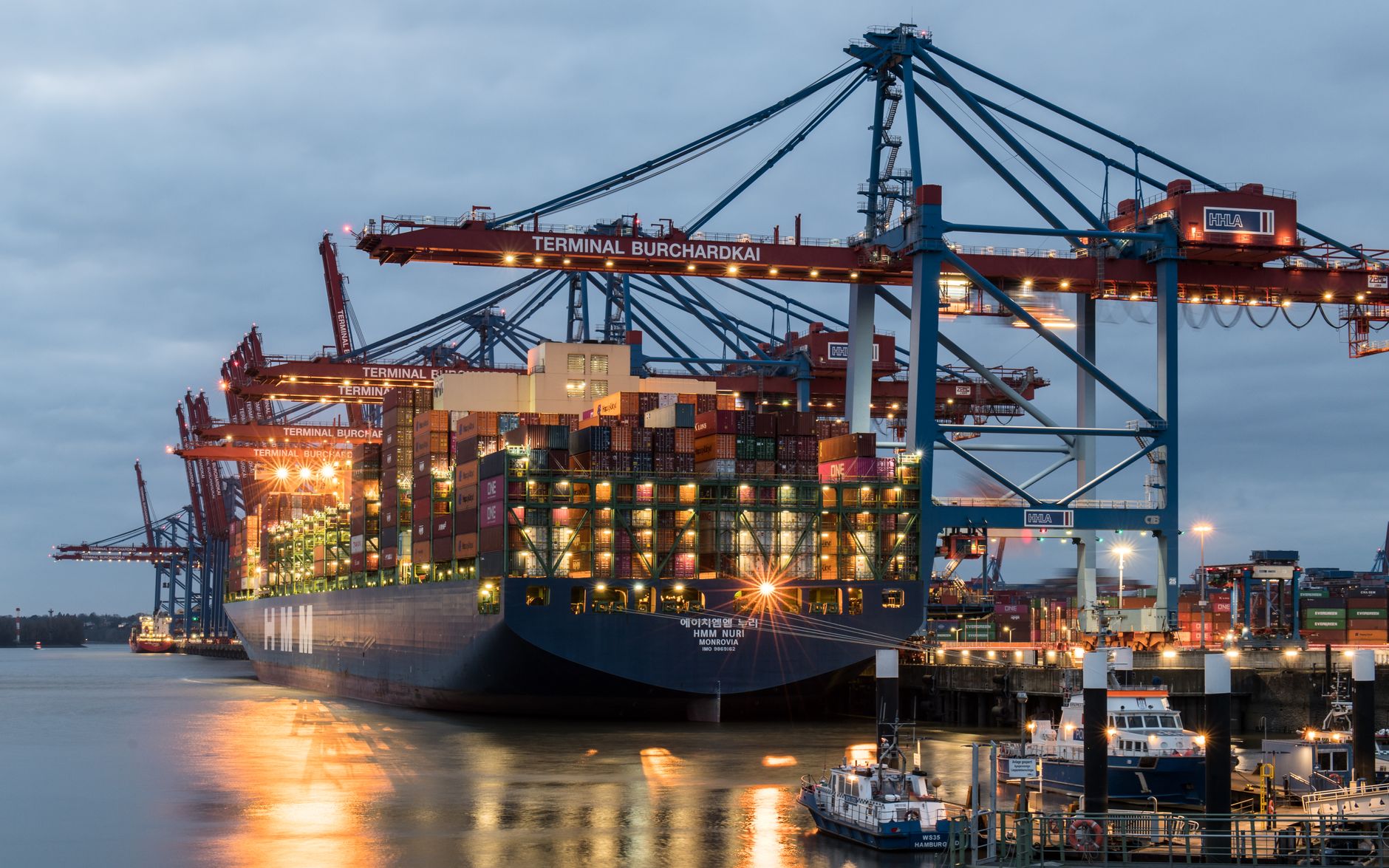
Photo by Wolfgang Weiser / Pexels
Pakistani exporters are getting a direct route to Europe back. Maritime Affairs Minister Muhammad Junaid Anwar Chaudhry announced on October 8 that Mediterranean Shipping Company (MSC) has restored its PREMIUM IPAK container service, running weekly out of Karachi Gateway Terminal International straight to seven European ports: Felixstowe, Rotterdam, Hamburg, Bremerhaven, Antwerp, Le Havre and London Gateway, with an intermediate call at Colombo.
What changed, and why it mattered that it was gone
For much of the past two years, container lines serving Pakistan have been rerouting vessels around the Cape of Good Hope rather than through the Suez Canal, after repeated attacks on commercial shipping in the Red Sea made that route too risky to insure or sail. The detour adds roughly one to two weeks to a Karachi-Europe sailing and raises fuel and insurance costs that shipping lines pass on to exporters through higher freight rates. Chaudhry pointed directly to that disruption as the reason exporters had been stuck with longer routes and higher transportation costs and delivery times on shipments bound for European and US markets.
A direct weekly service doesn't undo the Red Sea situation — Houthi attacks on shipping and on land targets in Saudi Arabia have, if anything, intensified this year, as we've covered in our reporting on strikes near Riyadh and Abha — but it does mean Pakistani cargo reaches Europe without needing a longer, costlier detour through intermediate hub ports first.
Who benefits
The textile and apparel sector is the direct beneficiary. Textiles remain Pakistan's largest export category, and the industry closed FY26 at roughly $18 billion even as a historic cotton production slump squeezed domestic supply. Faster, cheaper access to European buyers — still among the largest markets for Pakistani garments and home textiles — matters directly to margins in an industry where shipping costs are a meaningful share of landed price. A weekly direct sailing also gives exporters more predictable scheduling for time-sensitive orders, rather than having to plan around transshipment delays at third-country hubs.
The bigger trade picture this fits into
The restored route lands at a moment when Pakistan's export numbers have been improving on paper but still losing the race against imports. Pakistan Bureau of Statistics data for September put exports at $2.94 billion, up 17.6% year-on-year, but a faster rise in imports pushed the monthly trade deficit to $3.56 billion, 6.2% wider than the year before. Anything that lowers the cost of getting Pakistani goods to market without changing what's being shipped — which is exactly what a restored direct shipping lane does — works on the export side of that equation rather than the import side, where the structural pressure actually sits.
Chaudhry was careful not to overstate the announcement. He said the restored service should not be read as a resolution of the wider challenges affecting international shipping routes — the Red Sea remains a live risk, and MSC's decision to bring back the PREMIUM IPAK service reflects a commercial judgment about this one route, not a declaration that the region has become safe for shipping generally. Freight planning for Pakistani exporters will likely stay more volatile and costlier than it was before the Red Sea disruptions began, even with this route back in service.
What to watch next
No sailing schedule or date for the service's first weekly departure had been published alongside the minister's announcement. Exporters and freight forwarders will be watching MSC's own booking schedules to confirm when capacity actually becomes available, and whether other container lines follow MSC back onto a direct Karachi-Europe routing or continue running the longer Cape of Good Hope detour.
Build Better Pakistan's Economy Desk tracks developments affecting Pakistan's trade, exports and shipping costs.
This article is part of our Economy coverage — Inflation, growth, trade and the everyday cost of living across Pakistan.
Frequently Asked Questions
- Which shipping line restored the Karachi-Europe route, and where does it call?
- Mediterranean Shipping Company (MSC) revived its PREMIUM IPAK service, calling weekly at Karachi Gateway Terminal International. The route runs on to Colombo before reaching seven European ports: Felixstowe, Rotterdam, Hamburg, Bremerhaven, Antwerp, Le Havre and London Gateway.
- Why had the direct service stopped in the first place?
- Ongoing attacks on shipping in the Red Sea had pushed container lines to reroute vessels around the Cape of Good Hope instead of through the Suez Canal, lengthening transit times and raising freight costs on routes between Pakistan and Europe. Maritime Affairs Minister Junaid Anwar Chaudhry said the restoration doesn't resolve those broader disruptions, which continue to affect global shipping routes.
Related Reading

Weekly Inflation Jumps to 11.97% as Wheat Flour Leads Price Rises
The Pakistan Bureau of Statistics' Sensitive Price Indicator rose 0.57% in the week ended October 8, pushing annual short-term inflation to 11.97% from 11.53% the week before, with wheat flour and other food items driving most of the increase.
BBP Economy Desk · October 9, 2026 · 4 min
PSX Opened Higher on the IMF Deal. It Closed Down 1,138 Points on Oil.
The KSE-100 rose nearly 400 points at Thursday's open on optimism over Pakistan's IMF staff-level agreement, then reversed to close down 1,138.50 points as a record spike in Strait of Hormuz tanker attacks pushed Brent crude sharply higher.
BBP Markets Desk · October 8, 2026 · 3 min

Pakistan and the IMF Finally Reach a Staff-Level Deal — $1.21 Billion Still Needs the Board's Sign-Off
After a mission that ran from September 23 to October 7 in Karachi and Islamabad, the IMF and Pakistan reached a staff-level agreement on the fourth EFF review and third RSF review, clearing the way for roughly $1.21 billion once the Fund's Executive Board approves it — the deal this desk watched take shape through the MEFP draft handed over on October 6.
BBP Economy Desk · October 8, 2026 · 4 min