NEPRA's Appellate Tribunal Rejects K-Electric's Appeal, Locking In a 19% Tariff Cut
Nearly a year after NEPRA cut K-Electric's average base tariff from Rs 39.97 to Rs 32.37 per unit, the regulator's own Appellate Tribunal has dismissed the utility's appeal against that decision, and NEPRA has formally notified the lower rate.
Photo by Alexey Demidov / Pexels
Pakistan's power regulator has closed off K-Electric's last formal avenue to overturn a tariff cut that has been in dispute for nearly a year. NEPRA's Appellate Tribunal dismissed the utility's appeal on September 23, 2026, and NEPRA followed up the next day by formally notifying K-Electric's average base tariff at Rs 32.37 per unit — ending, for now, Karachi's most closely watched electricity-pricing dispute.
How the dispute got here
NEPRA originally set K-Electric's multi-year tariff (MYT) for the FY2024-30 control period at Rs 39.97 per unit. That determination drew review petitions from several directions at once: the federal power division, Jamaat-e-Islami, Karachi-based industrialists, and K-Electric's own management, each unhappy with different parts of the number. On October 20, 2025, NEPRA ruled on those review petitions and cut the average base tariff by Rs 7.60 per unit — a 19% reduction — to Rs 32.37. K-Electric appealed that revision to NEPRA's Appellate Tribunal, arguing the lower number was financially unsustainable for a utility already carrying the cost of expanding and upgrading Karachi's grid.
What Rs 32.37 per unit actually covers
NEPRA's notified base tariff breaks down into roughly Rs 27.83 per unit for power purchase, Rs 2.40 for transmission and Rs 2.90 for distribution, offset by a small credit of about Re 0.78 per unit tied to supply costs. That base figure will be indexed for inflation and exchange-rate movement through the remainder of the FY2024-30 control period, meaning the Rs 32.37 starting point moves over time even though the underlying determination is now settled. It is a separate mechanism from the monthly fuel charges adjustment that applies across the national grid — which pushed a fifth consecutive increase onto consumers' bills this September — so a lower base tariff does not cancel out fuel-cost pass-throughs still working their way onto Karachi bills.
A win for the government's books, a problem for K-Electric's
Local reporting on the ruling has framed it primarily as a savings story for the government and consumers, since a lower approved tariff reduces the subsidy burden and the revenue K-Electric can pass on to its customer base of roughly 3.7 million connections across Karachi and parts of Sindh and Balochistan. K-Electric has taken the opposite view, describing the outcome as financially unsustainable for its multi-year tariff plan and saying it will review the Tribunal's detailed written order, once issued, before deciding on further legal options — leaving open the possibility this dispute has not fully run its course even with the appeal dismissed.
Why the outcome matters beyond Karachi
K-Electric operates outside the same CPPA-G-managed pool that governs pricing for the rest of the national grid, which is part of why its tariff disputes move through a separate, slower-moving track than the monthly fuel-adjustment fights playing out elsewhere. A tariff set too low, sustained over a six-year control period, risks starving the utility of money for the grid investment Karachi has needed for years to reduce the kind of outages that have fed separate load-shedding grievances and even fed into unrelated protest campaigns over the summer. A tariff set too high simply shifts that cost onto a customer base already absorbing federal fuel-price and levy increases. NEPRA's own revenue-requirement math, and now its Tribunal's decision, has come down on the side of the lower number — for this control period, at least.
What happens next
K-Electric has not said whether it will pursue the matter further once it receives the Tribunal's written order, which had not been issued as of this writing. Absent a fresh legal challenge, the Rs 32.37 per unit base tariff now stands as the settled figure underpinning K-Electric's revenue for the rest of the FY2024-30 period, with fuel and quarterly adjustments continuing to move on top of it exactly as they do elsewhere on the grid.
Build Better Pakistan's Energy Desk tracks NEPRA tariff decisions and will update this piece if K-Electric pursues further legal action or if the Tribunal's written order changes the terms of the dispute.
This article is part of our Energy coverage — Circular debt, load-shedding and the push toward a reliable power grid.
Frequently Asked Questions
- What did NEPRA's Appellate Tribunal decide about K-Electric's tariff?
- On September 23, 2026, the Tribunal dismissed K-Electric's appeal against NEPRA's October 20, 2025 decision to cut the utility's average base tariff by Rs 7.60 per unit — a 19% reduction, from Rs 39.97 to Rs 32.37 per unit. NEPRA formally notified the Rs 32.37 rate on September 24. The Tribunal's ruling was announced verbally; a detailed written order has not yet been issued.
- Does this mean Karachi's electricity bills are about to fall by 19%?
- No. The Rs 32.37 figure is K-Electric's average base tariff under its FY2024-30 multi-year tariff, not the final amount on a consumer's bill. Bills still carry monthly fuel charges adjustments and quarterly adjustments on top of the base tariff — the same layered structure that has driven repeated increases elsewhere on the national grid. What the ruling does is lower the base K-Electric's revenue requirement is calculated from, going forward.
Related Reading
Petrol Falls to Rs387.54, Diesel to Rs402.24 in Second Straight Price Cut
The government cut petrol by Rs1.49 and high-speed diesel by Rs2.73 per litre for the fortnight starting September 30, the second consecutive reduction as retreating global oil prices bring the cumulative cut to Rs3.76 and Rs6.29 per litre respectively.
BBP Energy Desk · September 29, 2026 · 3 min
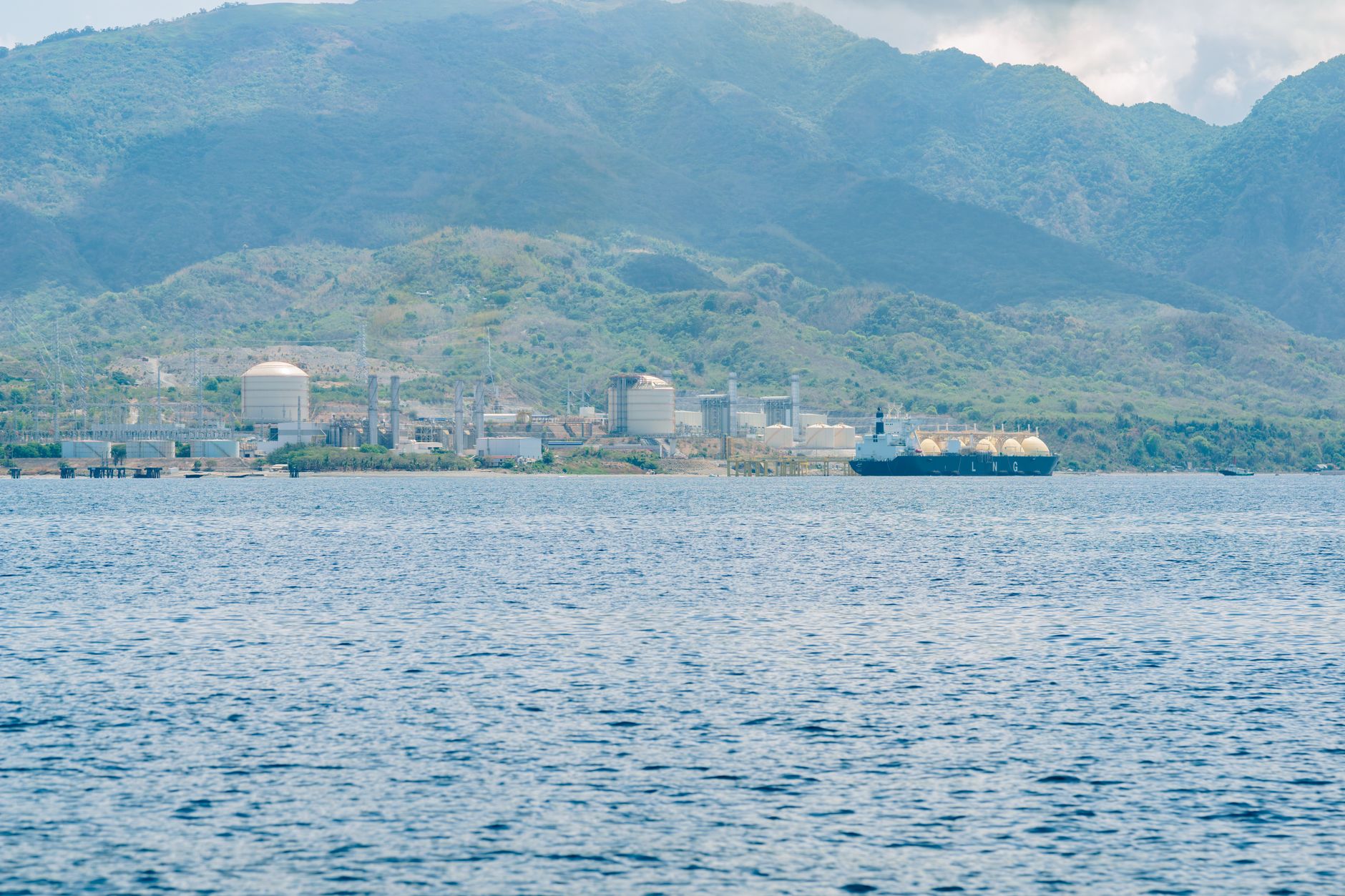
Pakistan Negotiated Directly With Iran to Get Its Second September LNG Cargo Through Hormuz
Pakistan secured passage for a second Qatari LNG cargo through the Strait of Hormuz this month by negotiating directly with Iran — the third time this year Islamabad has struck its own side deal to keep gas moving, after Iranian strikes knocked out 17% of Qatar's export capacity in March.
BBP Energy Desk · September 29, 2026 · 4 min
Petrol Subsidy Is Running Rs10 Billion a Month Over Budget — Government Says It'll Pay Anyway
Ten days after launch, Pakistan's Rs100-per-litre fuel relief scheme is costing Rs35-40 billion a month against an original Rs25-30 billion estimate. The petroleum minister says it'll run up to 10 months regardless, and the IMF isn't objecting.
BBP Energy Desk · September 27, 2026 · 4 min