Petrol Rises to Rs379.25 a Litre, Diesel to Rs395.82, From October 27
The Petroleum Division raised petrol by Rs1.54 to Rs379.25 a litre and high-speed diesel by Rs2.16 to Rs395.82, effective October 27, 2026, citing global market developments including Platts rates and freight premiums.
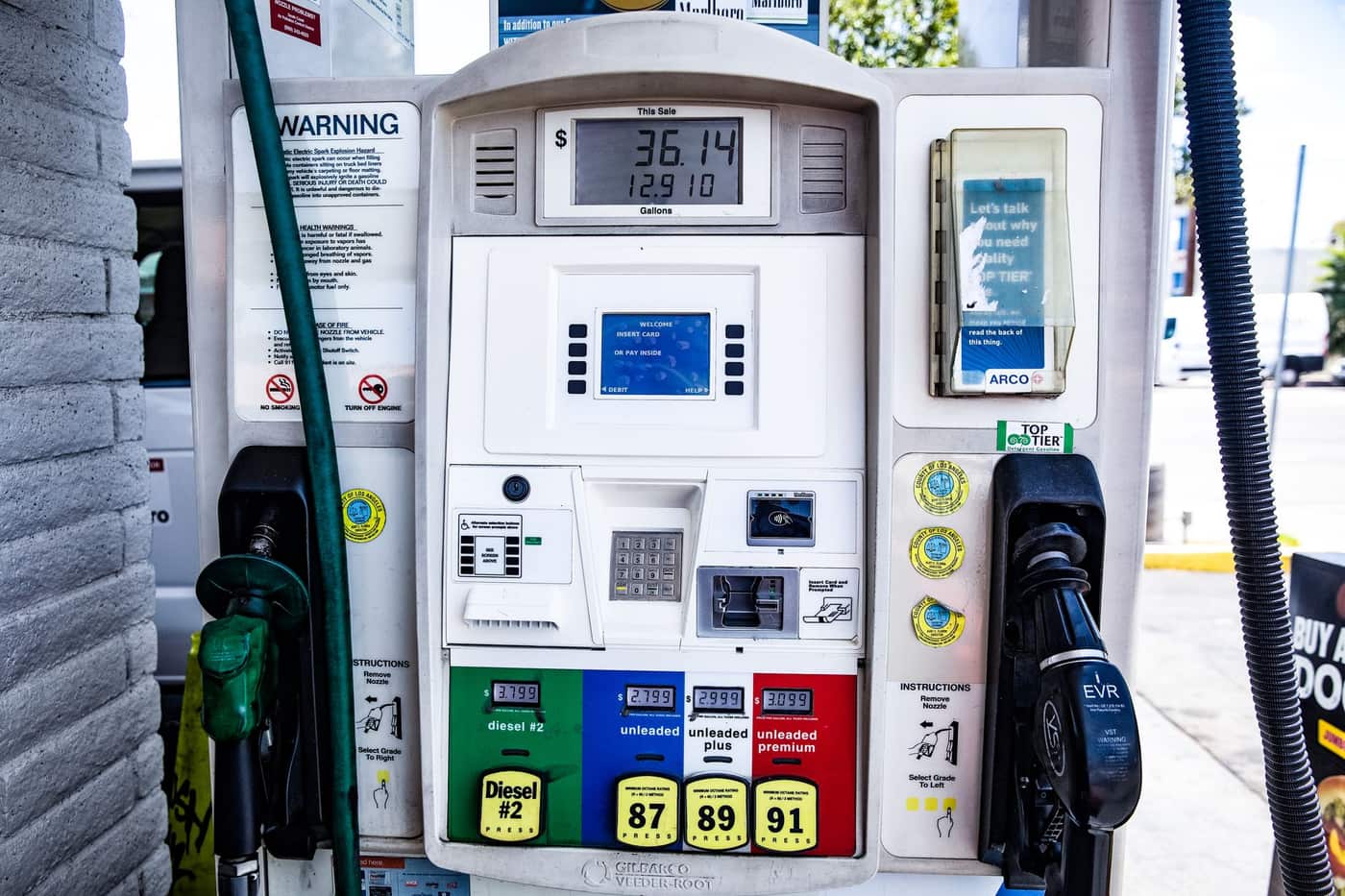
Photo by Ekaterina Belinskaya / Pexels
Petrol will cost Rs379.25 a litre from Monday, up Rs1.54, while high-speed diesel (HSD) rises Rs2.16 to Rs395.82, under a Petroleum Division notification reported by the Associated Press of Pakistan. Both changes take effect October 27, 2026, with petrol up from Rs377.71 and diesel from Rs393.66.
The Oil and Gas Regulatory Authority (OGRA) calculated the new ex-depot prices under the federal government's daily petroleum pricing mechanism, attributing the increase to "global market developments," including changes in Platts rates, premiums and other incidental import costs. The notification did not break out how much of the move came from international crude prices versus the exchange rate.
A reversal after a mid-month dip
Petrol is still below where it stood on October 17, when a Rs3.93 cut brought it to Rs386.30 for the weekend. It fell further still by October 20, when OGRA cut petrol by Rs5.16 to Rs381.14 and diesel by Rs7.69 to Rs389.27, according to the Associated Press of Pakistan. Both fuels have since drifted back up in the week of daily revisions that followed, with diesel's climb back above Rs393 outpacing petrol's recovery before today's increase. Since OGRA moved to daily pricing in July 2026, replacing the fortnightly cycle Pakistan used for years, the two fuels have frequently moved by different amounts and even in different directions within the same week, reflecting the separate international benchmarks each is priced against.
Why fuel keeps moving in both directions
The daily mechanism ties Pakistan's pump prices directly to short-term swings in global energy markets, which have stayed volatile through October as the Middle East conflict continues. The State Bank of Pakistan cited the same elevated global energy prices on October 26 when it raised its policy rate to 12%, pointing to low prospects of near-term resolution in the conflict as a risk to the inflation outlook. Fuel costs feed directly into transport, freight and the price of food reaching market, which is part of why weekly inflation data has stayed in double digits for months.
What stays fixed regardless of the daily move
The per-litre price is not purely a market number. It still includes the federal government's petroleum levy, a fixed charge set through the budget that does not change with each daily Platts-based revision, plus dealer and distribution margins. Our explainer on how fuel prices are set breaks down each component of the price and why diesel and petrol can carry different levy treatment even when both move in the same direction. Readers can check the current rate at any time on our petrol price page.
What to watch next
Because OGRA now reviews prices daily rather than fortnightly, the next change could come within days rather than weeks, and in either direction. Households and transporters budgeting around fuel costs will have less lead time to plan for a move than they did under the old cycle, even as the levy component continues to shield the federal budget from the swings the daily mechanism now passes through at the pump.
Build Better Pakistan's Energy Desk tracks daily fuel price notifications and will update this piece with the next revision.
This article is part of our Energy coverage — Circular debt, load-shedding and the push toward a reliable power grid.
Frequently Asked Questions
- What is the petrol price in Pakistan from October 27, 2026?
- Petrol rose by Rs1.54 to Rs379.25 a litre, effective October 27, 2026, under a notification from the Ministry of Energy's Petroleum Division. High-speed diesel (HSD) rose Rs2.16 to Rs395.82 a litre.
- Why did diesel rise more than petrol this time?
- The Petroleum Division attributed both changes to "global market developments," including movements in Platts rates, premiums and other incidental import costs, without breaking down the figures further. Petrol and diesel are benchmarked against different international product prices, so they do not always move by the same amount or in the same direction.
Trending Now
- 01
State Bank Raises Policy Rate to 12%, Ending Three Straight Holds
October 26, 2026
- 02
Pakistan Faces $1.29bn LNG Import Bill This Winter as Qatar Supply Stays Disrupted
October 26, 2026
- 03
Bill Would Merge Privatisation Bodies Into One Commission, Shield Officials From Legal Action
October 26, 2026
- 04
Smartphone Prices Jump Rs15,000-30,000 Across Pakistan on Chip Costs
October 26, 2026
- 05
Makkah Pact Ratified by Pakistan and Saudi Arabia as Allies Head to Tehran
October 26, 2026
Weekly Briefing
The week's most important stories on Pakistan's biggest challenges, in your inbox.
Related Reading
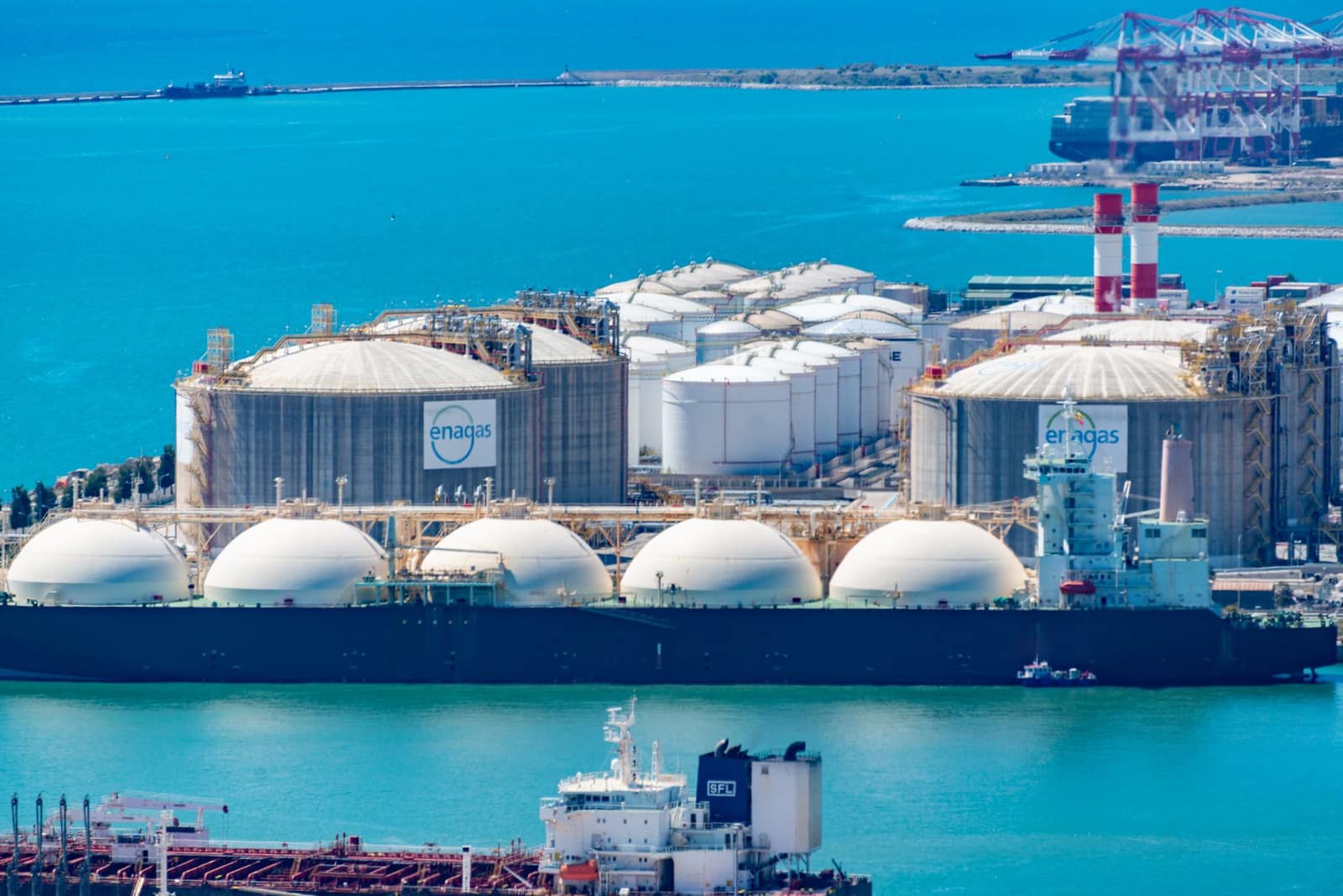
Pakistan Faces $1.29bn LNG Import Bill This Winter as Qatar Supply Stays Disrupted
Pakistan's LNG import bill for November 2026 to February 2027 is projected at $1.29 billion, officials say, as continuing disruption to Qatari supply forces the country to buy roughly half its winter cargoes on the spot market at close to double the contracted price.
BBP Energy Desk · October 26, 2026 · 3 min
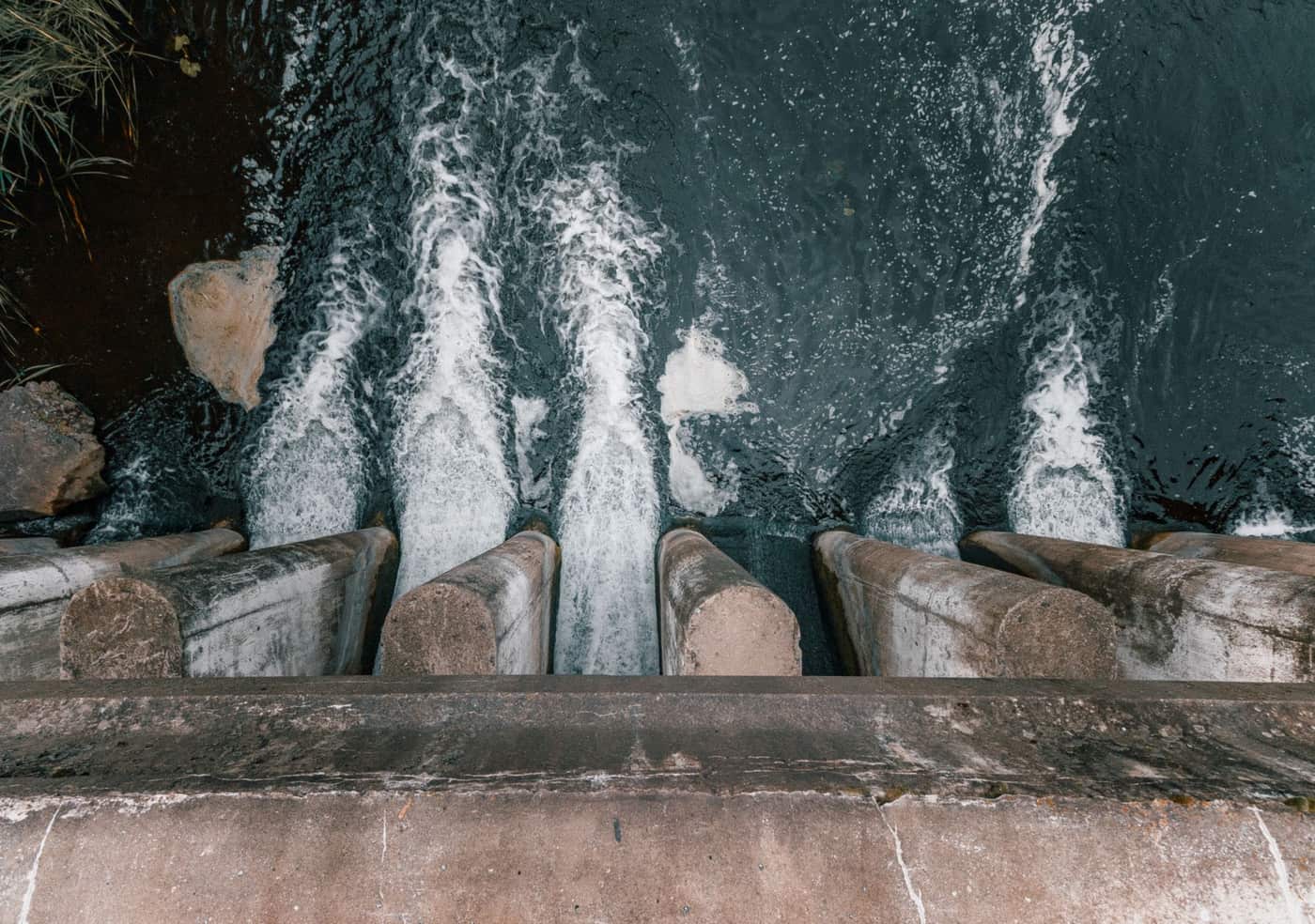
Wapda Signs Rs133 Billion Contract for Diamer-Bhasha Dam Gates and Steel Works
Wapda signed a Rs133.18 billion hydro-mechanical contract with a Power China-IKAN joint venture to build the gates and steel structures that will control water flow at the Diamer-Bhasha Dam, whose overall cost has more than doubled since it was approved.
BBP Energy Desk · October 25, 2026 · 3 min
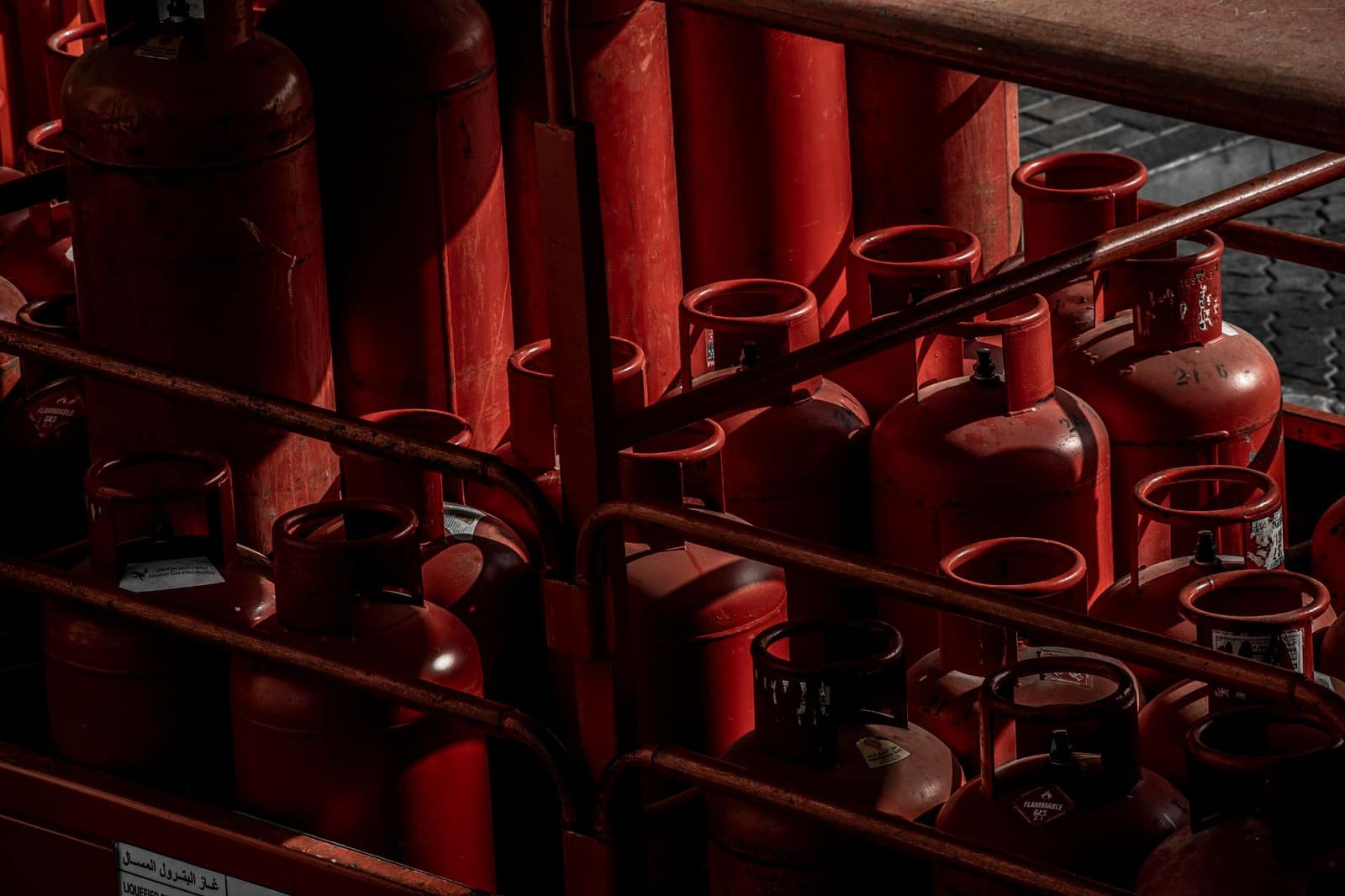
LPG Cylinders Sell at Rs5,000, Almost 52pc Above Official Rate, as Government Flags Hoarding
The Petroleum Division has told OGRA and provincial authorities to act against suspected LPG hoarding ahead of winter, after domestic cylinders began changing hands near Rs5,000, well above the Rs3,296 notified maximum, as Strait of Hormuz disruptions squeeze imports.
BBP Energy Desk · October 18, 2026 · 4 min