Washington Sanctions 17 More Tankers in Iran's 'Shadow Fleet'. Pakistan Buys Its Oil From the Same Waters.
The US Treasury designated 17 vessels, six individuals and 27 entities on October 8 under Operation Economic Outcast, targeting ships that moved millions of barrels of Iranian crude toward South and East Asian buyers — tightening the same shipping lanes Pakistan's oil and LNG imports depend on.
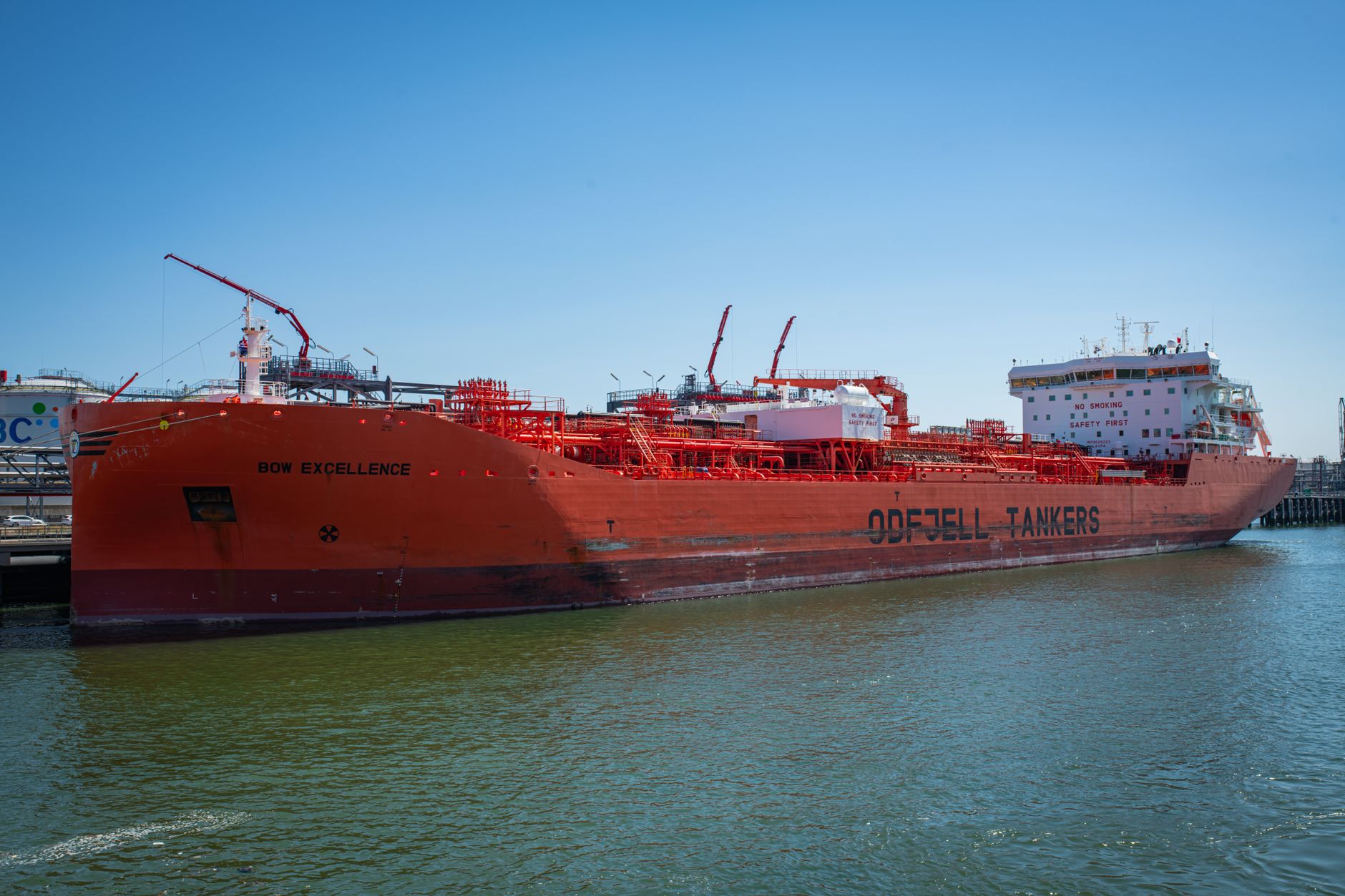
Photo by Oleksiy Yeshtokyn / Pexels
The US Treasury Department sanctioned 17 tankers tied to Iran's so-called shadow fleet on October 8, part of a wider action against six individuals and 27 entities that officials described as the most significant blow yet to the network Tehran uses to keep exporting oil under sanctions. The ships named move millions of barrels of Iranian crude, petroleum and petrochemicals toward buyers in South and East Asia — the same general shipping corridor Pakistan's own oil and gas imports pass through.
What Treasury actually designated
The action, carried out under Executive Order 13902 and described by officials as Operation Economic Outcast, freezes any US-linked assets held by the sanctioned vessels, their owners and the companies managing them. Treasury singled out two ships by name: the Vanuatu-flagged Tina 5, which it said carried more than 1.5 million barrels of Iranian crude in August alone, and the Cameroon-flagged Shenzhen, which it said has moved more than 3.5 million barrels since November 2025. In a smaller, offsetting move, Treasury delisted two previously sanctioned vessels, the Hakuna Matata and the Pinochio, after determining they had been sold to operators no longer judged to be part of the evasion network — a routine part of how these lists get maintained, even as the overall net widens.
Part of a tightening blockade, not a one-off
This designation did not arrive in isolation. It landed alongside a US naval posture in the Gulf that has included redirecting commercial shipping and striking vessels suspected of running the blockade around the Strait of Hormuz, and amid on-and-off diplomacy over reopening the strait to normal traffic. Pakistan's own exposure to that naval buildup is direct: a third US carrier strike group has been operating in the area this month, and an earlier Treasury action in September targeted a separate network, the Cavalier Group, over Iran procurement. Each additional sanctions round narrows the pool of tankers willing to carry Gulf crude at ordinary rates, which is precisely why shipping and insurance costs on the route have climbed through the year rather than settling once the initial shock of the war passed.
Where this shows up in Pakistan
Pakistan is not a party to these sanctions and is not accused of using the sanctioned vessels. But it draws roughly four-fifths of its crude oil and about a quarter of its LNG through the Strait of Hormuz, which means the same pressures that make Iran's shadow fleet harder to operate also make every other tanker on that route more expensive to charter and insure. That pressure is exactly what showed up this month in Pakistan's daily petrol and diesel notifications, which pushed petrol above diesel in price for the first time since the country moved to daily pricing in July — a reversal OGRA's own formula attributes to the same seven-day rolling average of international benchmark prices that sanctions-driven shipping costs feed into. Pakistan's stock market has already priced in the broader Hormuz risk, and Qatar's earlier force-majeure disruption to Pakistan's LNG contracts showed how quickly supply problems in this corridor turn into domestic shortages rather than staying an abstract diplomatic story.
What determines whether this gets worse
None of this is Pakistan's call to make. Three things elsewhere will decide whether October 8's sanctions round is a one-time tightening or the start of a sharper squeeze: whether Iran's shadow fleet operators find new flags and insurers fast enough to keep volumes moving, whether the US adds further rounds of vessel designations as Operation Economic Outcast continues, and whether the diplomacy around reopening Hormuz to normal traffic — which Washington and Tehran have circled without resolving — produces an actual de-escalation. Until Washington and Tehran move past the position where Trump rejected Iran's own Hormuz reopening proposal, Pakistan's import bill stays hostage to a conflict it isn't fighting.
Build Better Pakistan's Economy Desk tracks how the US-Iran conflict and its sanctions regime feed through to Pakistan's energy import costs.
This article is part of our Economy coverage — Inflation, growth, trade and the everyday cost of living across Pakistan.
Frequently Asked Questions
- What exactly did the US Treasury do on October 8?
- The Treasury's Office of Foreign Assets Control designated 17 vessels it says form part of Iran's 'shadow fleet' — ships used to move Iranian crude, petroleum and petrochemicals to buyers in South and East Asia while evading sanctions — along with six individuals and 27 entities in the wider shipping network, under an action officials called Operation Economic Outcast. The legal basis is Executive Order 13902, which freezes any assets the designated ships, people and companies hold under US jurisdiction. Treasury separately delisted two vessels, the Hakuna Matata and the Pinochio, after they were sold to operators no longer judged to be sanctionable.
- Why should a reader in Pakistan care about tankers sanctioned off Iran's coast?
- Pakistan imports roughly four-fifths of its crude oil and about a quarter of its LNG through the Strait of Hormuz, the same corridor these shadow-fleet vessels and the wider US-Iran conflict have made steadily more expensive and risky to ship through since the war resumed earlier this year. Tighter sanctions add to the shipping and insurance costs already showing up in Pakistan's daily petrol and diesel price notifications, independent of anything Pakistan's own government does.
Related Reading
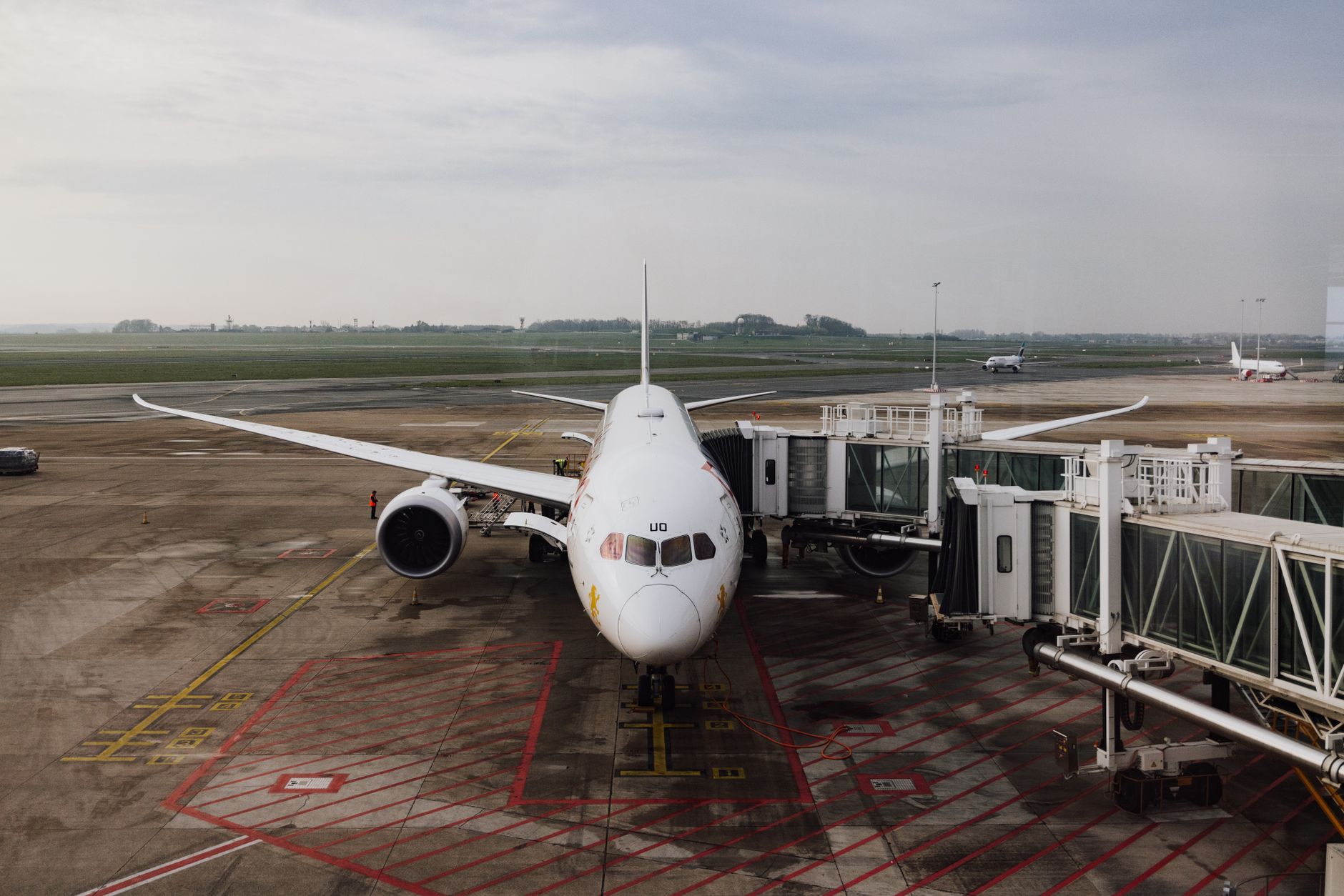
PIA Pauses Riyadh Flights as Houthi Strikes Ground 42 Pakistan-Saudi Services
Pakistan International Airlines suspended flights to Riyadh and cancelled PK-753 and PK-754 on October 9-10, as Houthi attacks on Saudi airports triggered 42 cancellations and 68 delays across Lahore, Karachi and Islamabad.
BBP Economy Desk · October 10, 2026 · 3 min
Weekly Inflation Jumps to 11.97% as Wheat Flour Leads Price Rises
The Pakistan Bureau of Statistics' Sensitive Price Indicator rose 0.57% in the week ended October 8, pushing annual short-term inflation to 11.97% from 11.53% the week before, with wheat flour and other food items driving most of the increase.
BBP Economy Desk · October 9, 2026 · 4 min

Overseas Pakistanis Send $10.9 Billion in a Record First Quarter of FY27
Workers' remittances reached $10.9 billion in July-September 2026, up 14% on the year, as September alone brought in $3.6 billion — with Saudi Arabia and the UAE together supplying nearly half of the month's inflows.
BBP Economy Desk · October 9, 2026 · 4 min