Sindh Asks World Bank for $350 Million to Flood-Proof Karachi and the Indus Right Bank
Sindh's irrigation minister told a visiting World Bank delegation on October 8 that the province wants $350 million for a new Flood Resilience Project, four years after 2022's floods displaced 14.6 million people and cost the province an estimated $9.1 billion.
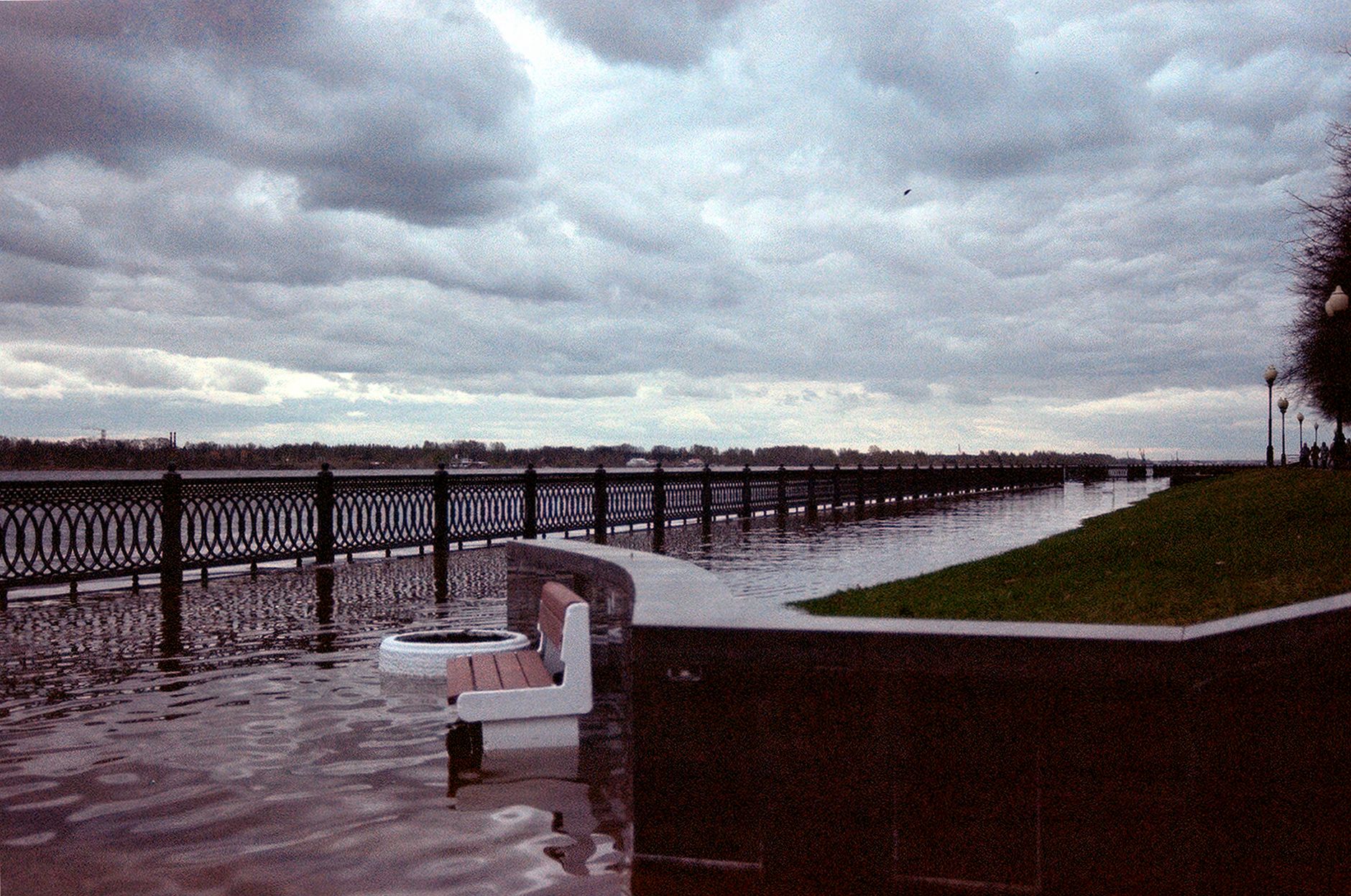
Photo by Andrey Karpov / Pexels
Sindh's government has asked the World Bank for $350 million to fund a new Flood Resilience Project aimed at protecting Karachi's urban areas and the right bank of the Indus River, Planning, Development and Irrigation Minister Jam Khan Shoro told a visiting World Bank delegation on October 8.
What was discussed, and where the money would go
The meeting between Shoro and the Bank's delegation covered flood risk, urban protection and city rehabilitation across Sindh. The request centres on two fronts: shoring up defences for Karachi and other urban centres against the kind of urban flooding that has repeatedly swamped the city during monsoon spells, and reinforcing the Indus River's right bank, the stretch most exposed when the river runs high. Sindh is framing the project as fiscal-year 2026-27 financing, though some domestic coverage of the same request has filed it under FY27 instead, a difference that reflects how outlets are describing the same budget cycle rather than a change in what's being asked for.
Why Sindh is asking now
The province's case rests heavily on 2022, when monsoon floods displaced an estimated 14.6 million people across Sindh and caused losses the government has put at $9.1 billion. That disaster reshaped how the province talks about flood defence: Sindh officials now routinely describe infrastructure spending in terms of resilience rather than recovery, a shift visible in the province's record-rain flood alerts and in NDMA's upper-region flash flood warnings issued elsewhere in the country this year. Sindh has also leaned on its existing relationship with the Bank to make the case: the province says World Bank financing to date totals roughly $1.6 billion across various flood and infrastructure programmes, support it is citing as a track record rather than a one-off.
A slow-moving process, even if approved
Nothing about this request moves quickly. The PC-I, Pakistan's standard planning document required before a public project can proceed to financing, is expected to be approved by December 2026. Only after that does the request go to the World Bank's board, where final approval is not expected before around March 2027. That sequencing means any construction funded by this specific request is unlikely to begin before the 2027 monsoon season at the earliest, leaving at least one more flood season to pass under existing, already-strained defences.
The financing gap this sits inside
The $350 million request lands against a backdrop in which Pakistan's broader climate financing need dwarfs what multilateral lenders have been willing or able to commit. Pakistan's own reporting to the UN on its climate finance gap has flagged a shortfall running into tens of billions of dollars against its nationally determined contribution targets, and the water-scarcity and debt-reform case Pakistan has made at UN forums argues that climate-vulnerable countries like Pakistan are paying debt service on infrastructure that climate change itself keeps destroying. A single $350 million urban and riverbank protection project, even if it clears every approval on schedule, addresses a narrow slice of that exposure. Sindh's own reservoirs and irrigation system have separately been running at historic lows this year, a different but related strain documented in reporting on the province's Rabi-season water shortage, underscoring that the province's water-management problems run in both directions: too little water in the canals some seasons, catastrophically too much in the rivers during others.
What to watch next
The immediate marker is whether Sindh's Planning and Development Department actually gets the PC-I approved on the December timeline the minister cited. Any slippage there pushes World Bank board consideration correspondingly later, and pushes the earliest plausible start of construction work further from the 2027 monsoon season and closer to 2028. Build Better Pakistan will track the PC-I's progress and the World Bank's board calendar as this request moves through Pakistan's domestic approval process.
Build Better Pakistan's Climate Desk covers flood resilience financing, water management and climate adaptation policy across Pakistan.
This article is part of our Climate & Environment coverage — Floods, water scarcity and building a more climate-resilient country.
Frequently Asked Questions
- How much is Sindh asking the World Bank for, and what would it fund?
- Sindh's Planning, Development and Irrigation Minister Jam Khan Shoro told a World Bank delegation on October 8 that the province wants $350 million for a new Sindh Flood Resilience Project. The money would go toward protecting urban areas, including parts of Karachi, and reinforcing the right bank of the Indus River against future flooding.
- When would the money actually arrive?
- Not soon. The project's PC-I, the planning document Pakistan requires before a scheme can proceed, is expected to be approved by December 2026. Final World Bank board approval is not expected before roughly March 2027, and that timeline itself depends on nothing slipping.
Related Reading
Three Weather Systems Collide Over Punjab, Triggering a Ravi River Flood Alert and 'Record-Breaking' Rain Warning
Punjab's disaster management authority warned of record-breaking rainfall through October 7 as a Mediterranean-fed western disturbance, an Arabian Sea low and a Bay of Bengal depression converge, prompting a Ravi River flood alert and a dam discharge increase to 37,000 cusecs.
BBP Climate Desk · October 7, 2026 · 3 min
Pakistan Presses UN for $300 Billion Climate Finance Deal, Tripled Adaptation Funds
At the UN General Assembly's Second Committee, Pakistan's deputy envoy pushed for a credible path to $300 billion a year in climate finance, tripled adaptation funding, and debt-system reform to address a $4 trillion annual SDG financing gap.
BBP Climate Desk · October 7, 2026 · 4 min

EU Monitor Places Lahore in Its Worst Band for Ground-Level Ozone
A new Copernicus Atmosphere Monitoring Service report, published September 30, ranks Lahore among cities with 'extremely poor' ozone levels, as heatwaves and emissions pushed a third of the world's population into the same category this year.
BBP Climate Desk · September 30, 2026 · 3 min