Pakistan's Solar Boom Is Starving the Chinese-Backed Coal Plants Built to Power It
Bloomberg reporting published September 30 and October 1 details how a surge of Chinese solar panels and batteries has cut grid electricity consumption by roughly 12 percent in two years, leaving the same Chinese-financed coal-fired plants built under CPEC struggling for buyers while Pakistan still owes them for capacity it isn't using.
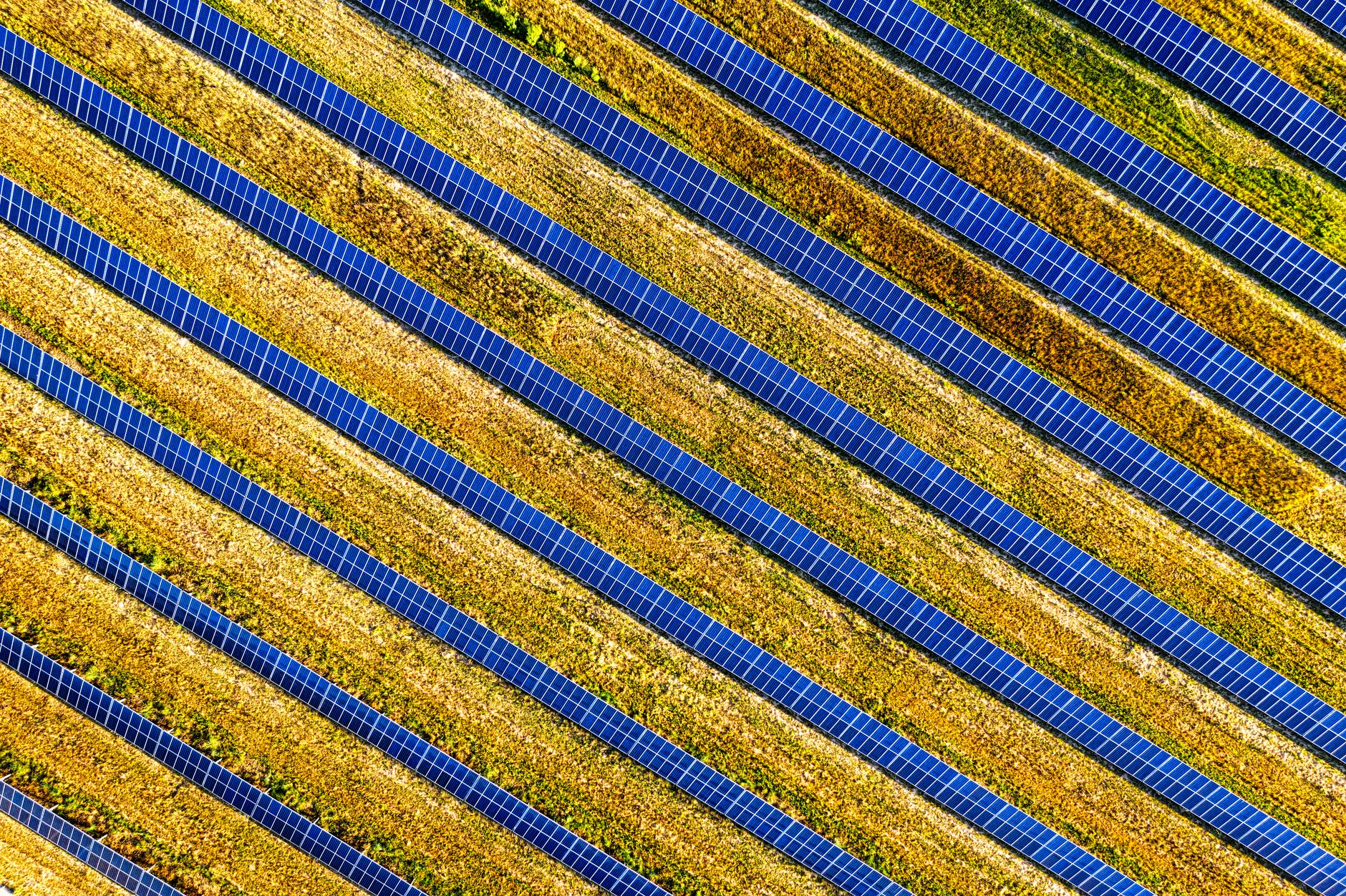
Photo by Tom Fisk / Pexels
Pakistan's import-driven solar boom has reached a point where it is undercutting the business case for the Chinese-financed coal plants that were supposed to anchor the country's power supply, according to Bloomberg reporting published September 30 and October 1. The same Chinese manufacturing base supplying cheap panels and batteries to Pakistani rooftops is now squeezing the finances of an earlier generation of Chinese-backed, coal-fired power plants built under the China-Pakistan Economic Corridor.
The scale of the shift
Bloomberg reports Pakistan imported 16 gigawatts of solar panels from China in fiscal year 2024 — more than triple the 4.9 GW imported the year before — with cumulative imports reaching roughly 36 GW by mid-2025, equal to about three-quarters of the country's total installed power-generation capacity. Battery imports are accelerating on top of that: Chinese battery shipments jumped almost 150 percent in the first half of the year to about $392 million, as households and businesses pair panels with storage to cut their grid dependence further rather than just offset daytime bills. We've previously reported on how this consumer-led boom collided with new NEPRA net-metering rules; this latest reporting focuses on what the boom is doing to the generation side of the grid rather than the household side.
Falling demand, fixed bills
The direct consequence is falling grid demand: Bloomberg reports electricity sales by Pakistan's distribution companies were almost 12 percent lower in the 12 months to July 2025 than three years earlier. That matters specifically for coal-fired power plants developed under CPEC, which account for roughly 90 percent of Pakistan's installed coal capacity and were built on long-term contracts that include capacity payments — fixed charges the government owes regardless of how much electricity a plant actually generates. Separate reporting on Pakistan's coal fleet has found utilization at plants like the Sahiwal Coal-Fired Power Plant falling under 20 percent, even as the capacity bill for that plant continues accruing. Three of Pakistan's Chinese-financed coal plants, representing roughly 3,960 MW of capacity and burning coal shipped in from Indonesia and South Africa, carry an especially heavy fiscal burden because their capacity payments are indexed to the exchange rate on top of exposure to volatile international fuel prices.
One contradiction, two Chinese exports
An energy finance specialist quoted in the reporting put the tension plainly: "It's Chinese renewable energy technologies on one hand, and Chinese fossil fuel power plants on the other. They are at odds with each other." Beijing's manufacturers are simultaneously the main supplier of the cheap solar hardware eroding Pakistani grid demand and the financiers behind the coal capacity that demand was meant to support — a contradiction playing out inside one bilateral relationship rather than between rival suppliers.
Why this lands on Pakistan's circular debt
The mechanism feeds directly into a problem this site has tracked for months: Pakistan's circular debt, the gap between what the power sector spends on generation and what it actually collects from consumers. Falling grid sales mean the fixed cost of capacity payments — reported elsewhere at roughly Rs1.3 trillion a year across Pakistan's independent power producers — gets spread across a shrinking base of grid-paying customers, pushing per-unit tariffs higher for everyone who hasn't gone solar and widening the sector's revenue shortfall. It is the same dynamic regulators were grappling with at a LUMS-convened national workshop on the 2040 renewable energy roadmap in September, where thermal plant operators raised the possibility of converting existing coal infrastructure rather than retiring it outright — one of the few paths that doesn't require either abandoning sunk Chinese investment or asking grid customers to keep subsidizing capacity they increasingly don't use.
What hasn't been resolved
Neither the Pakistani government nor its Chinese coal-plant partners have announced a renegotiation of capacity-payment terms in response to this specific demand decline. The reporting makes clear the strain is structural and ongoing rather than a one-off shock, which means the choice facing policymakers — renegotiate existing coal contracts, convert plants to other uses, or keep billing a shrinking pool of grid customers for capacity they didn't ask for — remains open heading into the rest of the fiscal year.
Build Better Pakistan's Energy Desk tracks Pakistan's power-sector transition, circular debt and the financial fallout of the renewable energy shift.
This article is part of our Energy coverage — Circular debt, load-shedding and the push toward a reliable power grid.
Frequently Asked Questions
- Why are solar panels hurting coal plants that Pakistan still has to pay for?
- Pakistan's power contracts with Chinese-financed coal plants built under CPEC include capacity payments: the government pays for the plant's generating capacity whether or not the grid actually buys the electricity. As households and factories install Chinese-made rooftop solar and batteries instead of pulling power from the grid, national electricity consumption has fallen — Bloomberg reports distribution-company sales were roughly 12 percent lower in the 12 months to July 2025 than three years earlier — which leaves plants like Sahiwal running at low utilization while the fixed capacity bill keeps coming due.
- How much solar has Pakistan actually imported from China?
- Bloomberg reports Pakistan imported 16 gigawatts of Chinese solar panels in fiscal year 2024, more than triple the 4.9 GW imported the previous year, with cumulative imports reaching roughly 36 GW by mid-2025 — about three-quarters of the country's total installed power-generation capacity. Chinese battery imports jumped almost 150 percent in the first half of the year to about $392 million, as households pair panels with storage to go further off the grid.
Related Reading
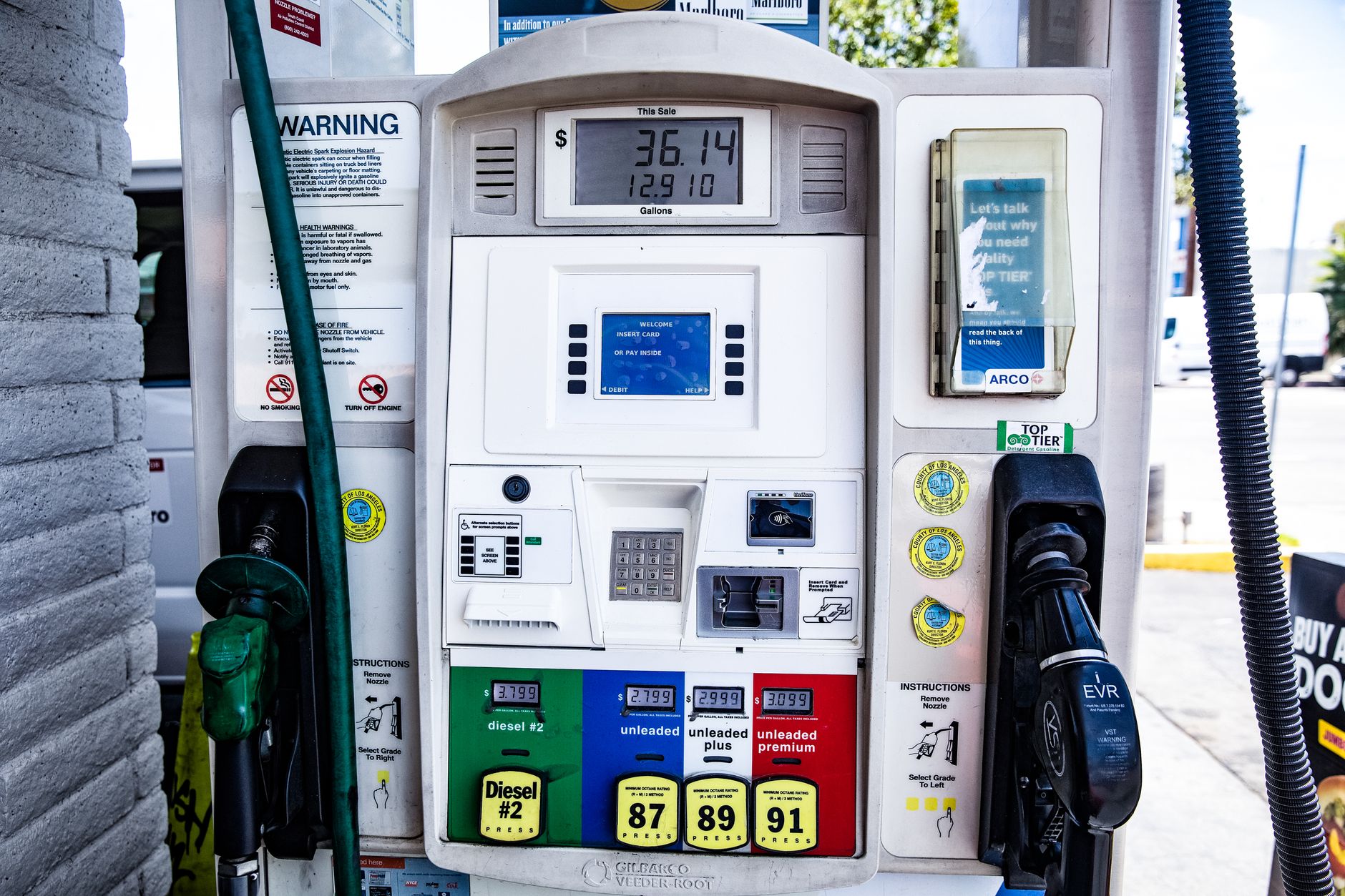
Petrol Falls to Rs387.54, Diesel to Rs402.24 in Second Straight Price Cut
The government cut petrol by Rs1.49 and high-speed diesel by Rs2.73 per litre for the fortnight starting September 30, the second consecutive reduction as retreating global oil prices bring the cumulative cut to Rs3.76 and Rs6.29 per litre respectively.
BBP Energy Desk · September 29, 2026 · 3 min
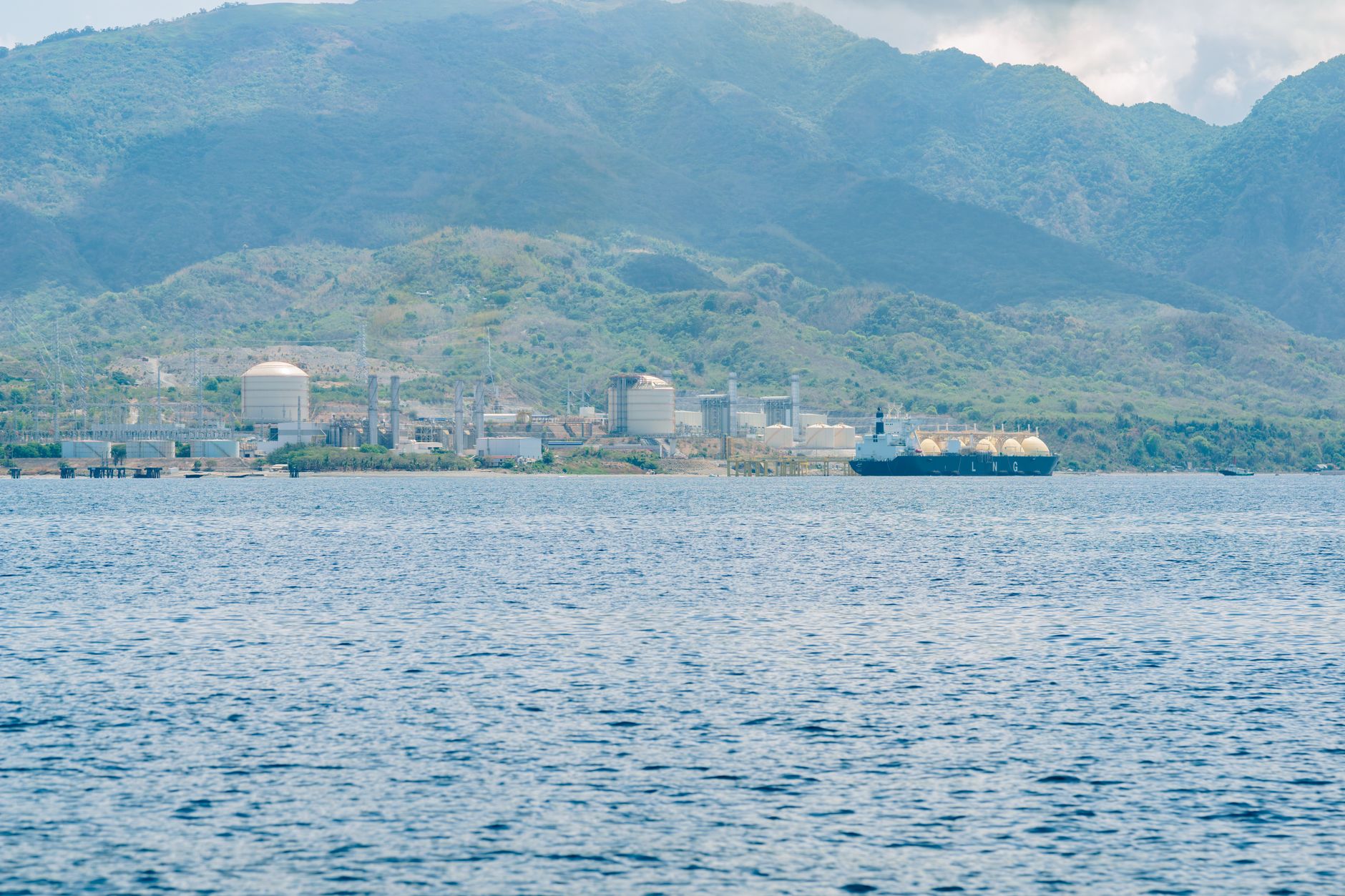
Pakistan Negotiated Directly With Iran to Get Its Second September LNG Cargo Through Hormuz
Pakistan secured passage for a second Qatari LNG cargo through the Strait of Hormuz this month by negotiating directly with Iran — the third time this year Islamabad has struck its own side deal to keep gas moving, after Iranian strikes knocked out 17% of Qatar's export capacity in March.
BBP Energy Desk · September 29, 2026 · 4 min
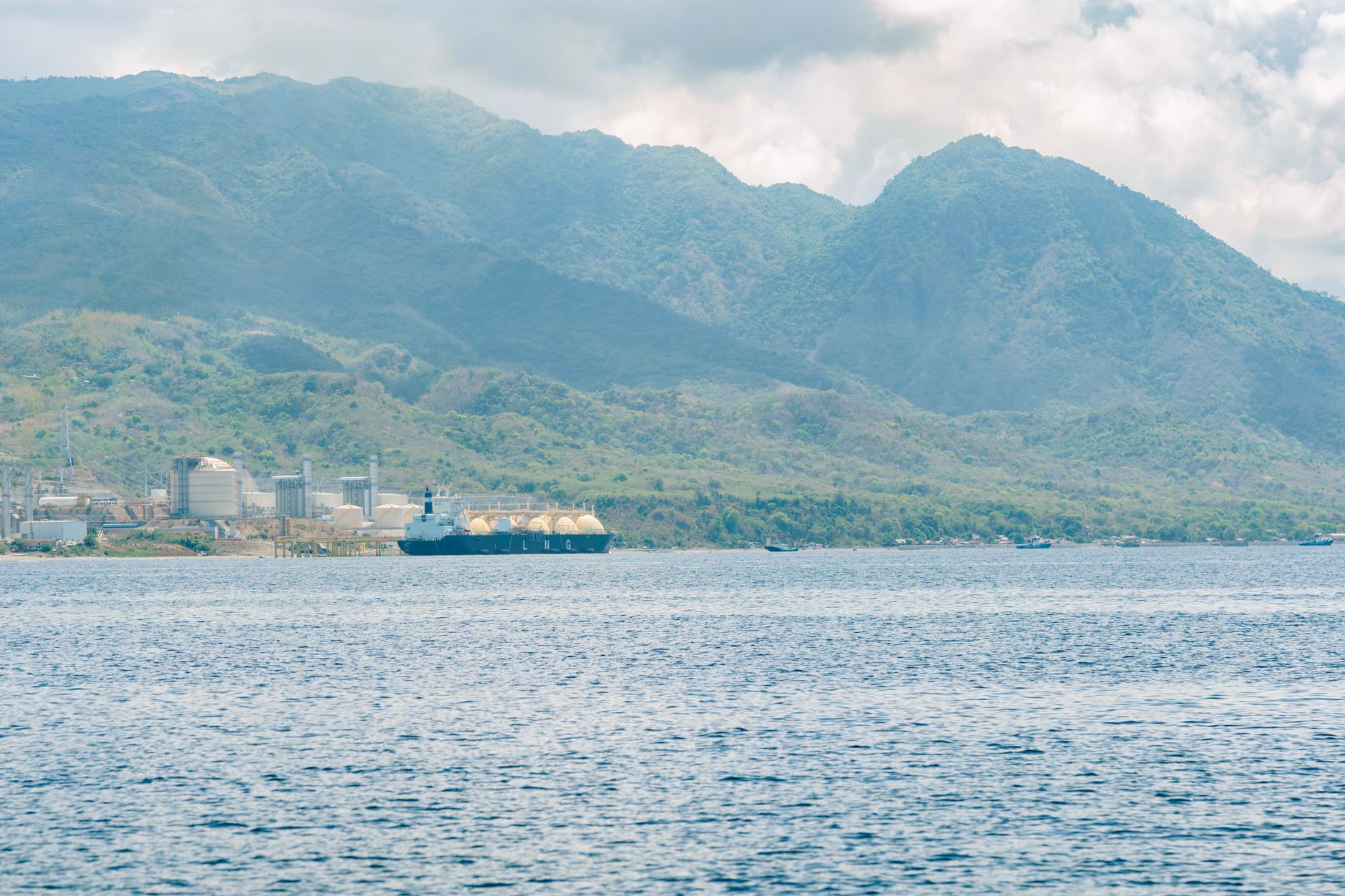
Qatar Extends LNG Force Majeure to November 5, Leaving Pakistan Scrambling Before Winter
QatarEnergy has told Pakistan its Hormuz-linked force majeure on LNG deliveries now runs through November 5, just as winter gas demand starts climbing — leaving Islamabad to cover a widening supply gap with spot-market cargoes it can least afford.
BBP Energy Desk · September 29, 2026 · 4 min